
Open TikTok. Scroll through Instagram. Chances are, you’ll see skinny jeans, VSCO filters, or someone blasting the song “3 Strikes.” Welcome to the internet’s latest obsession: 2026 is the new 2016.
One thing is certain: somewhere between academic burnout, constant notifications, and perfectly curated for-you pages, Gen-Z decided to time-travel. And honestly? It might be one of the most refreshing trends we’ve seen in years.
What began as a playful throwback hashtag has evolved into one of the biggest trends of the year so far, with the trend sweeping the feeds of every consumer on TikTok, Instagram, and other social media platforms. Whether it’s a fleeting meme or a deeper cultural commentary, “2026 is the new 2016” has captivated social media, proving that in the digital age, even a decade isn’t too long to rewind.
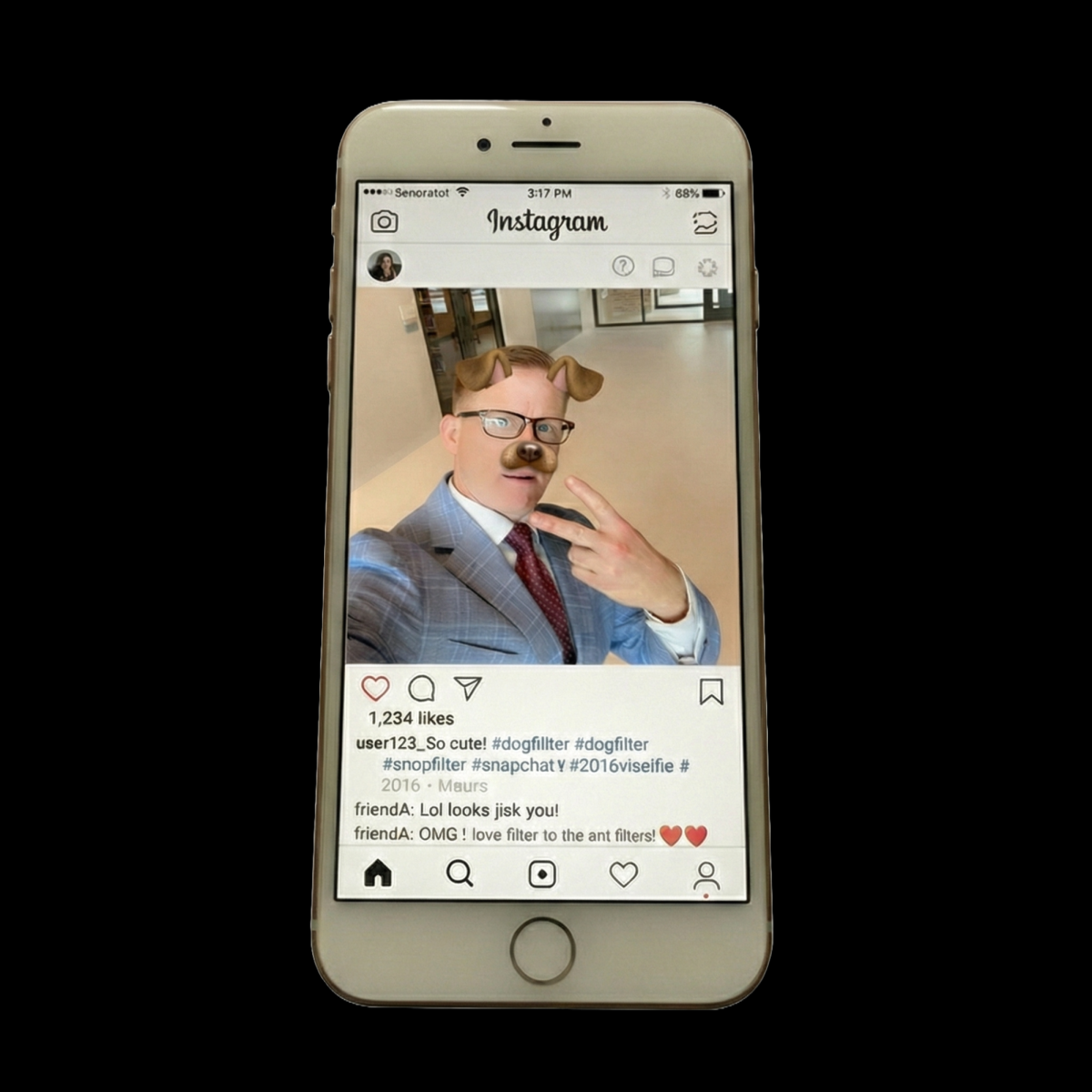
At its core, the trend is all about nostalgia. TikTok users are posting photos and videos that emulate the class 2016 culture, with oversaturated filters, grainy photos, and iconic fashion staples. The trend feels like a collective longing for the sights, sounds, and “vibes” of 2016, before the world changed radically over the last decade. The retro-style filters that embody the era have gone viral with the hashtag #2016 surging on platforms, which has been used in over 1.7 million TikTok posts this year. TikTok searches for “2016 songs” and “2016 fashion” spiked by hundreds of percent in early January 2026. Other apps like Spotify and Apple Music have followed the trends too, creating 2016 throwback playlists for millions of the apps’ users to enjoy.
Celebrities and influencers have joined the wave too, with icons like Kylie Jenner bringing back past 2016 viral moments like “King Kylie”, Justin and Hailey Bieber sharing old moments from ten years ago, and more sharing decade-old photos and leaning into the “feels like 2016 again” spirit. With some of the biggest iconic celebrities and influencers joining in, the trend quickly skyrocketed to the top of everyone’s “For You” pages.
Some commentators are trying to point to broader reasons for the trend’s popularity. Many users, particularly Gen Z, were teens in 2016 and now find comfort in revisiting a time that feels simpler than today’s fast-paced, algorithm-driven social media landscape. For some it’s lighthearted fun; for others it’s a collective longing for a shared cultural moment before the internet became so much bigger.
For many in Gen Z, the appeal of 2016 is also emotional. It existed before the pandemic reshaped daily life and artificial intelligence began perfectly curating social media feeds. Social media wasn’t yet optimized or engineered at the time. Instead, it was authentically experienced. The trends resurgence has brought a connection between the millions of social media users across all platforms that are interested and excited to remember the viral moments of 2016.
The flash photography and imperfections of the “2016 aesthetic” stand in stark contrast to the hyper-filtered reality of 2026. The trend may eventually fade, replaced by the next viral aesthetic or algorithmic obsession. But its message will remain clear. In recreating the past, users are pushing back against a present that often feels artificial.