
For a long time, the default fuel for students was coffee – hot or iced, sweetened or plain.
Whether it came from home, a coffee shop, or the Dining and Learning Center, coffee was seen as the quickest way to survive early mornings, long school days, and late-night cramming sessions.
Recently though, many students began moving away from traditional coffee and turning to something new: energy teas.
Energy teas offer caffeine like coffee, but in a different form. Instead of heavy, creamy, dairy packed drinks, energy teas are typically made with brewed tea, fruit flavors and added vitamins. They are lighter, colder, and often designed to give energy without the crash that can come with coffee.
“I’m trying to stop drinking coffee because it makes me feel tired later,” said sophomore Madeline Peters. “Energy teas keep me awake longer and do not upset my stomach.”
Another reason for the shift is customization.
Coffee drinks usually stick to a similar formula—espresso, a milk of choice, and syrup— while energy teas come in dozens of flavor combinations. From tropical fruit blends to sour candy-inspired drinks, students can mix flavors and caffeine levels to fit their day, whether they need a small boost or a strong one.
Many energy teas are also considered healthier because they are lower in sugar, use tea-based caffeine instead of espresso, often include vitamins or antioxidants, and even have add-ons such as collagen.
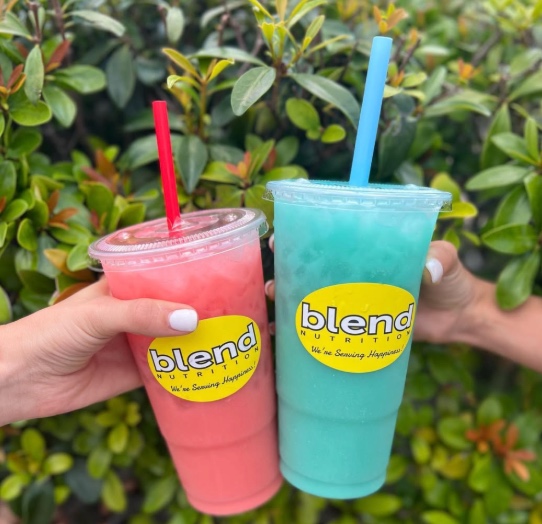
Houston has also played a role in the trend, with local tea and nutrition shops gaining popularity. One well-known spot is Blend Nutrition, a smoothie and tea bar that offers a wide range of energy teas and protein smoothies. Their drinks are often low-sugar and marketed as healthier alternatives to traditional caffeinated beverages, making them appealing to students who want the energy without feeling weighed down or like they’re harming their body.
Another place students recognize is Healthy Start Nutrition, which focuses on energy teas, smoothies and wellness drinks. Shops like these help introduce energy teas to a younger audience and make them feel more accessible and normal rather than a niche product.
Social media has only accelerated the change.
Energy teas are visually striking, bright blues, pinks and greens in clear cups, and they show up frequently on platforms such as Tik Tok and Instagram. Coffee, especially plain iced coffee, doesn’t stand out the same way online. For many students, energy teas feel new, trendy and more exciting.
That doesn’t mean coffee is disappearing. Many students still rely on it, especially during finals or early mornings since most nutrition shops don’t open as early as coffee shops like Starbucks.
“I wish Blend opened before school, instead of at 9 a.m.,” senior Whitney Sturm said. “I usually can only get it after school.”
As with any caffeinated drink, moderation is still important especially for teenagers. But the shift is clear: students are rethinking how they get their energy.
At Kinkaid, the future of caffeine looks less like a coffee cup and more like a colorful tea packed with ice, fruit flavors, and a new kind of boost.